
Fiber optic ADSS-32F span cable G652D Single PE Jacket 100 meters


Pequena descrição:
The mechanical performance of ADSS optical cable is mainly embodied in the maximum permissible tension (Maximum Allowable Tension, MAT), the average annual operating tension (Every Day Strength, EDS) and ultimate tensile strength (Ultimate Tensile Strength, for short).Descrição
Especificação
Aplicativo
Ordem
Downloads/Perguntas frequentes
Etiquetas de produtos
Comentários
Descrição
Enhance your aerial network infrastructure with our premium Fiber optic ADSS span cable. As an All-Dielectric Self-Supporting (ADSS) fiber optic cable, it is engineered for direct installation on power lines, eliminating the need for a separate messenger wire. Its lightweight, all-dielectric design ensures complete immunity to electromagnetic interference, making it the ideal choice for installation on high-voltage power towers.
This Fiber optic ADSS span cable features 32 fibers of G652D single-mode fiber, housed in a robust loose tube structure and strengthened with high-tenacity aramid yarn, the key to its self-supporting capability. The black PE (Polyethylene) outer sheath provides excellent protection against UV radiation and harsh environmental conditions. Designed for a span of 100 meters, this cable offers a perfect balance of strength and flexibility for medium-span aerial applications, ensuring reliable data transmission and long-term durability.
O desempenho mecânico do cabo óptico ADSS é incorporado principalmente na tensão máxima permitida (Tensão Máxima Admissível, MAT), na tensão operacional média anual (Resistência Diária, EDS) e na resistência à tração final (Resistência à Tração Final, para abreviar).
O cabo de fibra ADSS possui estrutura diferente do fio aéreo. Sua resistência à tração é suportada pelo fio de aramida. O módulo elástico do fio de aramida é mais da metade do do aço. O coeficiente de expansão térmica é uma das partes do aço. Isso determina que o afundamento do cabo ADSS é mais sensível à mudança da carga externa. Sob condição de congelamento, o comprimento do cabo de fibra ADSS pode chegar a 0,6% e o fio é de apenas 0,1%; a curvatura é bastante opaca com a mudança de temperatura, e a curvatura do arco permanece basicamente inalterada quando a temperatura muda. Na condição de vento, o ângulo de deflexão do vento é muito grande. Quando a velocidade do vento é de 30 m/s, o ângulo de deflexão do vento é de até 80 graus e o ângulo de deflexão do vento do fio é apenas cerca de metade do cabo.
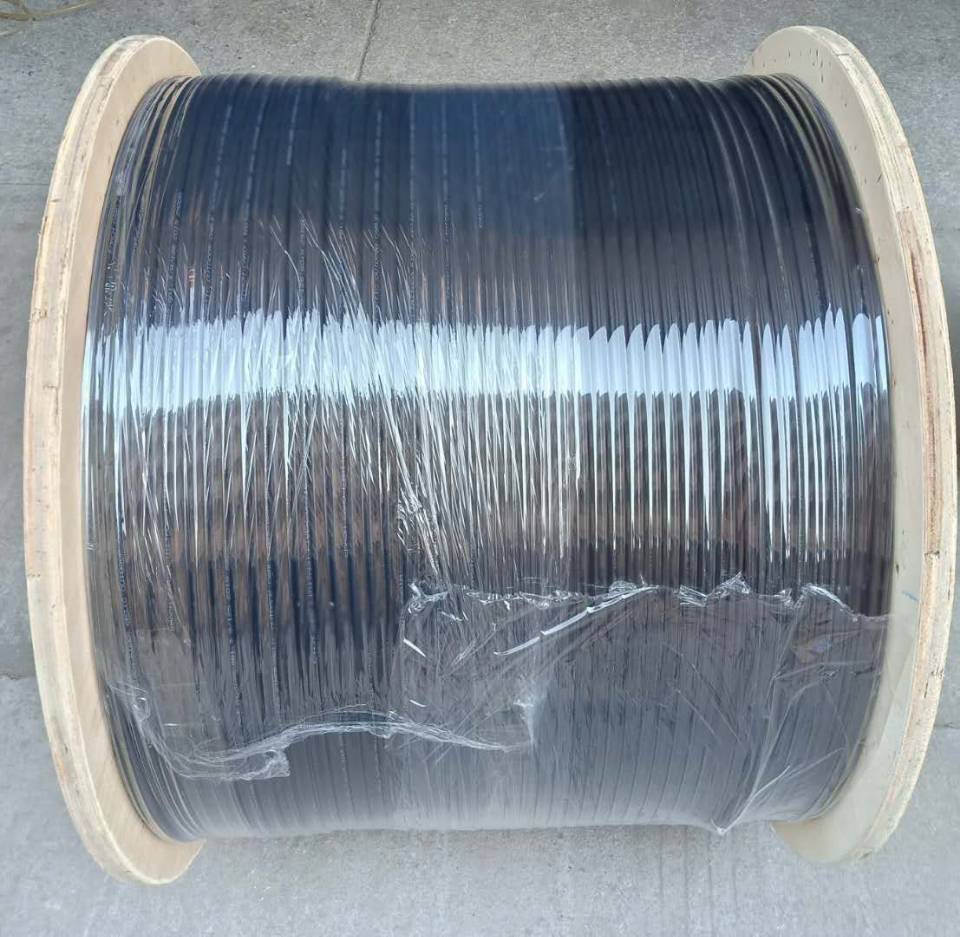
Fiber optic ADSS span cable Key Features & Benefits
- True Self-Supporting Design: Constructed with high-modulus aramid yarn as the strength member, allowing the cable to bear its own weight and external loads (like ice and wind) without a metal messenger, ideal for overhead aerial installation on power poles and towers.
- Full Dielectric Construction: Contains no metallic elements, making it completely resistant to electromagnetic interference (EMI) and lightning strikes. It is perfectly safe for installation within the high-voltage environment of power utilities.
- Optimized for 100-Meter Spans: Engineered for superior performance in medium-span applications, balancing tensile strength with manageable sag characteristics under various weather conditions (wind, ice, temperature variations).
- High-Strength G652D Fiber: Utilizes 32 fibers of the industry-standard G652D single-mode fiber, ensuring low attenuation, high bandwidth, and broad compatibility with existing network equipment for long-distance communication.
- Durable PE Outer Sheath: The robust black polyethylene jacket provides excellent resistance to UV radiation, moisture, and environmental degradation, ensuring reliable long-term outdoor performance.
- Extreme Weather Resilience: Designed to tolerate strong winds and icing conditions, maintaining signal integrity where standard cables might fail.
- Easy and Secure Installation: The aramid yarn strength member allows for the use of standard ADSS hardware like tension clamps and suspension fittings, ensuring a secure and reliable installation.
| Núcleos de fibra | 32F | |
| Extensão (metros) | 100 M | |
| Qualidade de aramida | Nível A Internacional | |
| Material da jaqueta | PE | |
| Espessura da jaqueta | 1,8 mm | |
| Velocidade do vento (m/s) | <30 | |
| Cabo outer diameter OD | 9,8 ±0,5mm | |
| Peso do cabo | 85kg/km | |
| Comprimento/tambor | 5 km | |
| 5km/peso bruto do tambor | 460kg | |
| Resistência à tração (N/100mm) | 2200 | |
| Raio de curvatura mínimo (mm) | Estático | 15D |
| Dinâmico | 25D | |
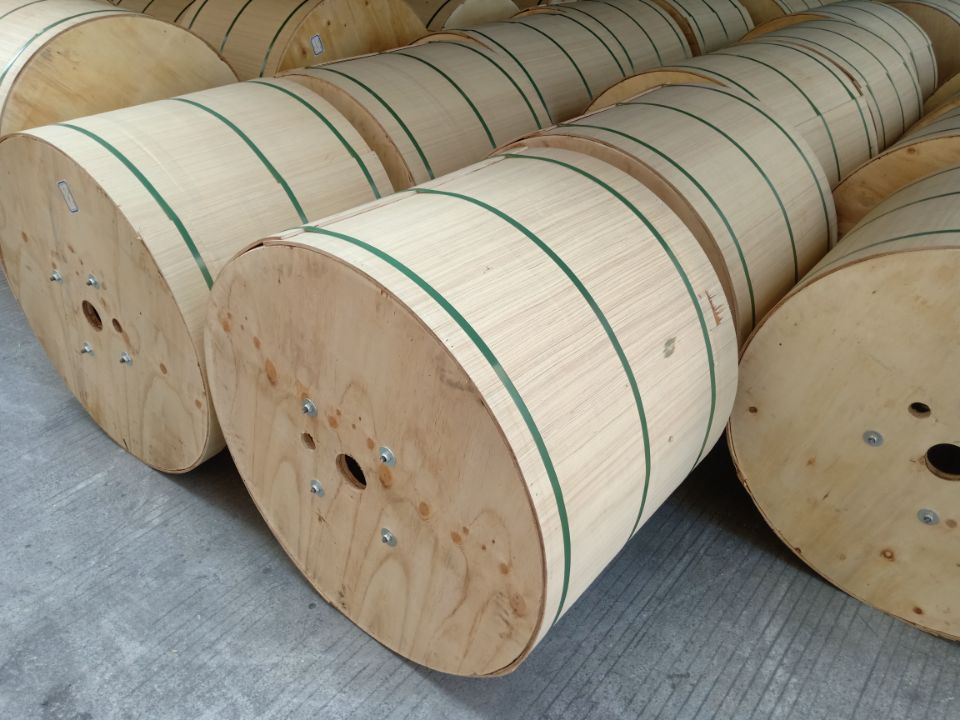
Tambor de madeira do pacote para exportação: 1/2/3/4/5km cada tambor
| G.652D | 50/125μm | 62,5/125μm | OM3-300 | ||
|
Atenuação (+20℃) |
@850nm | ≤3,0 dB/km | ≤3,0 dB/km | ≤3,0 dB/km | |
| @1300nm | ≤1,0dB/km | ≤1,0dB/km | ≤1,0dB/km | ||
| @1310nm | ≤0,36dB/km | ||||
| @1550nm | ≤0,22dB/km | ||||
| Largura de banda
(Classe A) |
@850nm | ≥500 MHz·km | ≥600 MHz·km | ≥600 MHz·km | |
| @1300nm | ≥1000 MHz·km | ≥1000 MHz·km | ≥1000 MHz·km | ||
| Abertura numerica | 0,200±0,015NA | 0,275±0,015NA | 0,275±0,015NA | ||
| Comprimento de onda de corte do cabo λcc | ≤1260nm | ||||

Especificação
Aplicativo
Ordem
Downloads/Perguntas frequentes
Etiquetas de produtos
Comentários
1 avaliações
5

One response

Emenda de Fusão de Fibra Óptica BD-FS-41B

ADSS Clamps Tension Anchor Cable Wedge Clamp

Waterproof Terminal Box IP65 24 Cores for FTTH Distribution


Depois que encomendei e testei este cabo de fibra óptica ADSS-32F G652D, ele estava perfeitamente conectado. Estou feliz por ter testado este tipo de fibra óptica porque me ajudou a entender melhor os diferentes padrões e requisitos de fibra óptica. Para meu uso doméstico, a fibra óptica funciona bem.